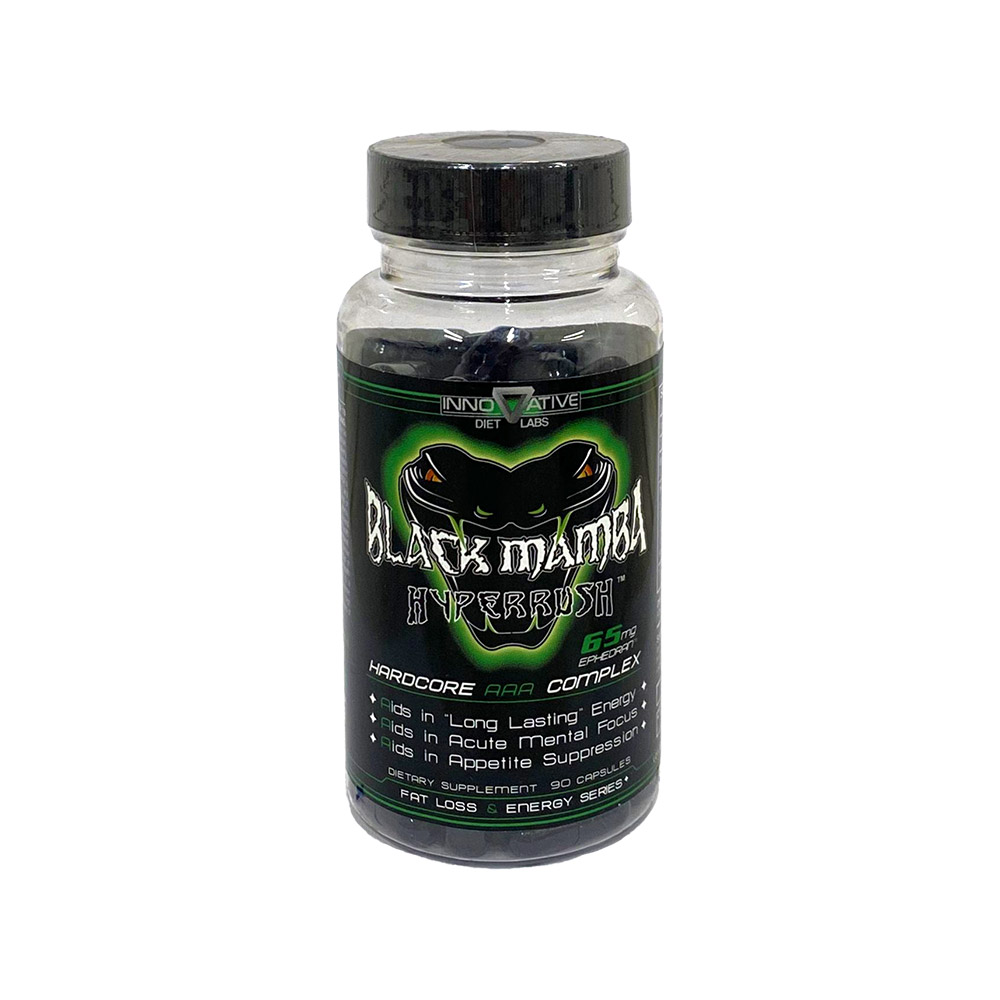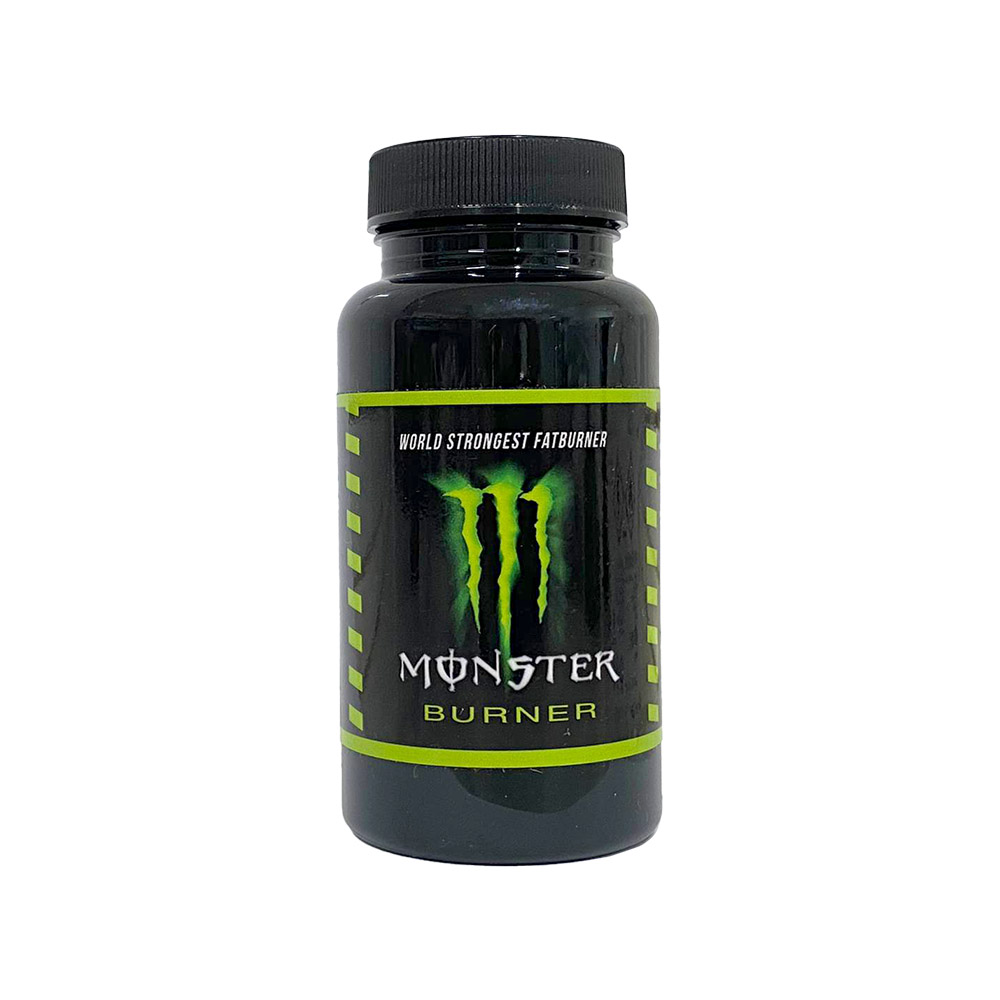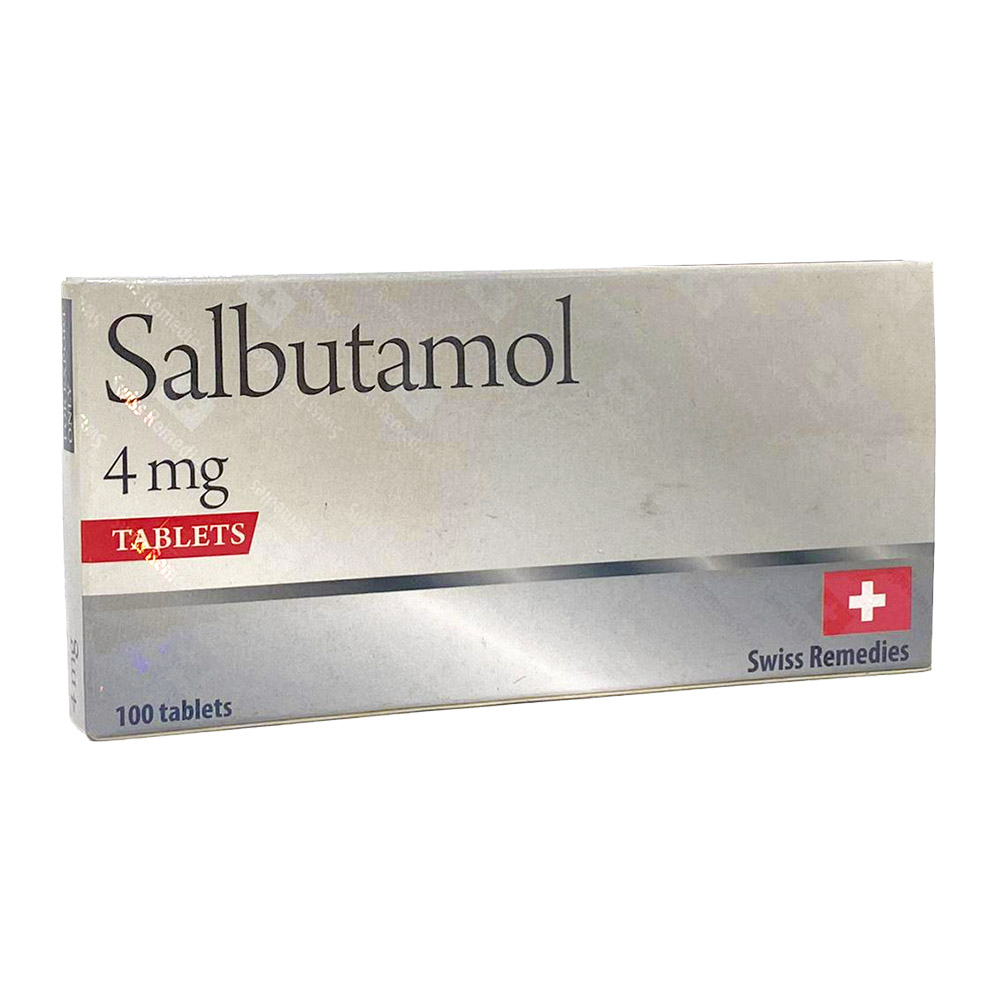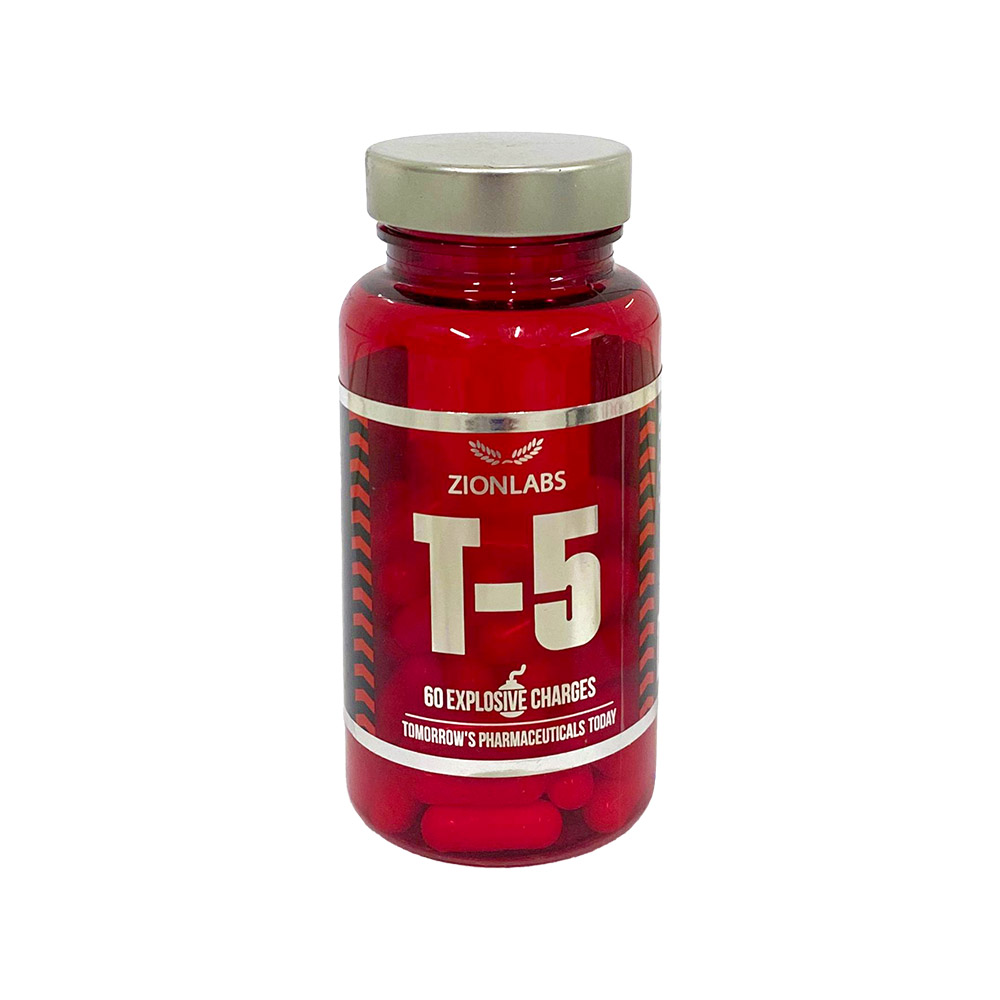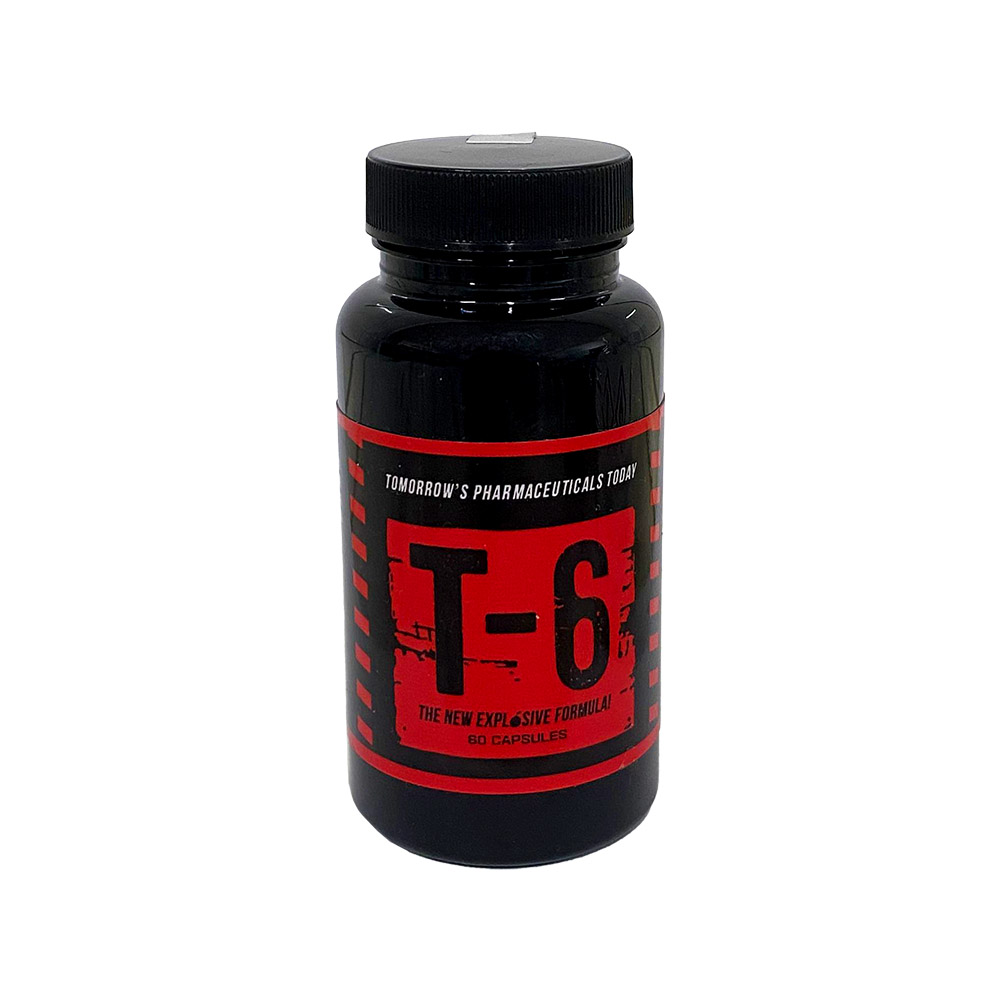
T-6 (complexe ECA + DMAA)
Ultra-strong ECA stack reinforced with 1,3-DMAA for high-intensity thermogenic and energy-drive research. Designed for advanced stimulant-tolerant users only. Not for beginners; see compliance warnings below.
€ 25.00

Description
T-6 (complexe ECA + DMAA)
Marque : Tomorrow Pharmaceuticals
Catégorie : High-Stimulant Thermogenic · ECA + DMAA
Contenu : 90 capsules
Per Capsule: Ephedrine 30 mg · Caffeine 250 mg · Aspirin 150 mg · 1,3-DMAA 50 mg
Origin: Cyprus
Prix : €25
Research Notice: For laboratory use only. Not for human or veterinary consumption.
🧪 Aperçu du produit
T-6 is a reinforced ECA stack upgraded with 1,3-DMAA, delivering a fast, hard-hitting stimulant response suitable for controlled thermogenic and adrenergic-activation research.
It is intended for advanced stimulant-tolerant researchers evaluating:
- maximum-intensity thermogenesis
- β-adrenergic activation pathways
- appetite-control models
- pre-exercise arousal and focus studies
- multi-stimulant synergy (E+C+A+DMAA)
This formula is significantly stronger than standard EC stacks due to the inclusion of DMAA.
✅ Principaux résultats de la recherche
Ephedrine (30 mg):
A classic sympathomimetic that increases synaptic norepinephrine → heightened alertness, thermogenesis, and metabolic output. Human studies repeatedly show increased energy expenditure when ephedrine is combined with caffeine.
Caffeine (250 mg):
Non-selective adenosine A1/A2A antagonist that elevates wakefulness, reduces fatigue perception, increases neural drive, and potentiates ephedrine’s thermogenic effects.
Aspirin (150 mg):
Historically used in ECA triads; explored for its potential to sustain ephedrine-induced thermogenesis through prostaglandin-related pathways (evidence variable).
DMAA (50 mg):
A potent indirect sympathomimetic associated with rapid onset CNS stimulation. Several regulatory authorities deem DMAA unlawful in supplements and prohibit its sport use.
🧬 Mécanisme d'action (simplifié)
- Ephedrine: Boosts norepinephrine release → β-adrenergic stimulation → increased heat production, energy, and lipolysis.
- Caffeine: Blocks adenosine receptors → heightened CNS activity + stronger ephedrine thermogenesis.
- Aspirin: Explored as a thermogenesis potentiator in classic ECA studies.
- DMAA: Strong sympathomimetic → sharp CNS elevation and adrenergic output.
📊 Tableau des spécifications techniques
| Champ d'application | Données |
|---|---|
| Per-Cap Actives | Ephedrine 30 mg · Caffeine 250 mg · Aspirin 150 mg · DMAA 50 mg |
| Pharmacology |
Ephedrine: β-adrenergic stimulant Caffeine: adenosine A1/A2A antagonist Aspirin: COX inhibitor (ECA component) DMAA: indirect sympathomimetic stimulant |
| Evidence Snapshot |
E+C human data show increased thermogenesis and reduced appetite. Aspirin investigated as enhancer in EC models. DMAA associated with intense adrenergic activation; regulatory concerns noted. |
| Doping Status |
Ephedrine prohibited in-competition above 10 µg/mL urine. DMAA (methylhexanamine) fully prohibited in-competition. High risk of positive test. |
| Regulatory Status |
Ephedrine-alkaloid supplements banned in U.S. DMAA considered unlawful in dietary supplements by multiple agencies. Check national laws before handling. |
| Origin | Cyprus |
📚 Research Background
- Ephedrine + caffeine synergy: Human studies show enhanced thermogenesis, higher metabolic rate, and reduced energy intake.
- Caffeine reviews: Strong literature support for CNS stimulation and metabolic modulation.
- Aspirin effects: Mechanistic analyses explore its role in sustaining ephedrine thermogenesis.
- DMAA: Recognized as a potent stimulant with safety concerns leading to major regulatory restrictions.
⚠️ Potential Side Effects (Class-Based Literature)
- Rapid heartbeat, high blood pressure, palpitations
- Insomnia, anxiety, tremor, agitation
- Headache, nausea, or dizziness
- Sympathomimetic overload when combined with other stimulants
- Rare severe events: arrhythmia, stroke, myocardial infarction
🧯 Compliance & Sport Integrity
Anti-doping:
Ephedrine and DMAA are prohibited in-competition under WADA rules (ephedrine threshold 10 µg/mL).
Athletes risk sanctions if exposed.
Regulatory:
FDA bans ephedrine-alkaloid supplements and classifies DMAA supplements as adulterated/illegal.
Several countries enforce similar restrictions.
Research-only:
This item is supplied strictly for laboratory and analytical use.
Not a dietary supplement or performance enhancer.
📌 Important Safety Notice
For research use only.
Not for human consumption. Not for medical, dietary, or athletic use.
Do not combine with additional stimulants or MAO inhibitors.
Il n'y a pas encore de commentaires.